Grasping Insurance Concepts: Protecting Your Future and Financial Assets
Understanding insurance is vital for everyone seeking to safeguard their monetary future. Insurance offers a safeguard that shield against sudden occurrences that could lead to significant losses. Various types of coverage exist, tailored to meet specific requirements. Yet, numerous people find it difficult with determining the right amount of coverage or understanding the fine print of the agreement. The difficult aspects of coverage may cause hesitation, prompting the need for a clearer understanding on how best to protect one's wealth. What factors should people weigh before committing to a policy?
Insurance 101: Key Principles
Coverage acts as a fiscal protective layer, guarding individuals and enterprises against unexpected dangers. It is fundamentally a contract connecting the policyholder and the provider, in which the policyholder remits a fee for receiving fiscal security in case of particular harm or loss. The primary function of coverage is managing exposure, enabling people to shift the responsibility of prospective fiscal harm to the company.
Insurance policies outline the terms and conditions, explaining which events are included, what limitations apply, and how to report a loss. The concept of pooling resources is central to insurance; a large number of participants pay in, allowing for the funding of claims to those who incur damages. Grasping the core concepts and language is crucial for choosing wisely. Ultimately, insurance intends to give reassurance, guaranteeing that, during emergencies, policyholders can regain stability and move forward successfully.
Types of Insurance: A Comprehensive Overview
A myriad of insurance types exists to meet the varied requirements of both private and commercial entities. Among the most common are health insurance, that pays for healthcare costs; auto insurance, protecting against vehicle-related damages; and homeowners insurance, safeguarding property from perils such as theft and fire. Life insurance offers financial security to recipients upon the death of the policyholder, and coverage for disability replaces wages should the individual be incapacitated.
For companies, professional indemnity shields against claims of negligence, and asset insurance secures physical holdings. Professional liability insurance, often called errors and omissions insurance, safeguards professionals against claims resulting from mistakes in their services. In addition, travel insurance offers protection for surprises that occur during journeys. Every form of coverage plays an essential role in managing risks, helping people and companies to lessen potential economic harm and maintain stability in uncertain circumstances.
Assessing Your Insurance Needs: What Amount of Insurance Do You Require?
Determining the appropriate level of necessary protection demands a thorough assessment of property value and possible dangers. People need to evaluate their financial situation and the assets they wish to protect to reach a sufficient level of coverage. Effective risk assessment strategies are fundamental to guaranteeing that one is not lacking enough coverage nor paying extra for needless protection.
Assessing the Worth of Assets
Assessing the worth of assets is a necessary phase for understanding how much coverage is necessary for sound insurance safeguarding. The procedure includes determining the worth of private possessions, property holdings, and financial assets. Property owners must evaluate factors such as today's market situation, reconstruction expenses, and depreciation when appraising their property. Moreover, people need to assess private possessions, cars and trucks, and possible legal dangers connected to their property. Through creating a comprehensive list and appraisal, they are able to pinpoint possible holes in their protection. Also, this appraisal allows individuals adjust their coverage to meet specific needs, ensuring adequate protection against unanticipated incidents. Finally, correctly appraising asset value forms the basis for smart coverage choices and monetary stability.
Risk Management Techniques
Developing a full knowledge of property valuation automatically moves to the subsequent step: assessing coverage requirements. Methods for assessing risk include pinpointing possible hazards and figuring out the right degree consult this source of insurance required to mitigate those risks. The evaluation commences with a full accounting of property, including property, automobiles, and physical items, coupled with a review of possible debts. One should take into account things such as location, daily habits, and industry-specific risks that could influence their insurance needs. In addition, checking existing coverage and finding coverage deficiencies is vital. Through risk quantification and aligning them with the value of assets, one can make informed decisions about the required insurance type and quantity to secure their future reliably.
Interpreting Coverage Jargon: Key Concepts Explained
Knowing the policy provisions is crucial for navigating the intricacies of insurance. Important principles such as coverage types, premiums, out-of-pocket limits, policy limits, and restrictions play significant roles in determining the effectiveness of a policy. A clear grasp of these terms assists consumers in making sound judgments when selecting insurance options.
Types of Coverage Defined
Coverage options offer a variety of coverage types, each designed to address particular needs and risks. Typical categories involve liability coverage, which shields from legal action; coverage for property, securing tangible property; and personal injury coverage, which covers harm suffered by others on your property. Furthermore, comprehensive coverage gives defense against a broad spectrum of dangers, including theft and natural disasters. Specialized coverages, like professional liability coverage for companies and medical coverage for people, customize the coverage further. Knowing these coverages assists clients in selecting appropriate protection based on their specific situations, ensuring adequate protection against future fiscal setbacks. Each form of protection is essential in a extensive insurance strategy, ultimately contributing to fiscal stability and tranquility.
Premiums and Deductibles

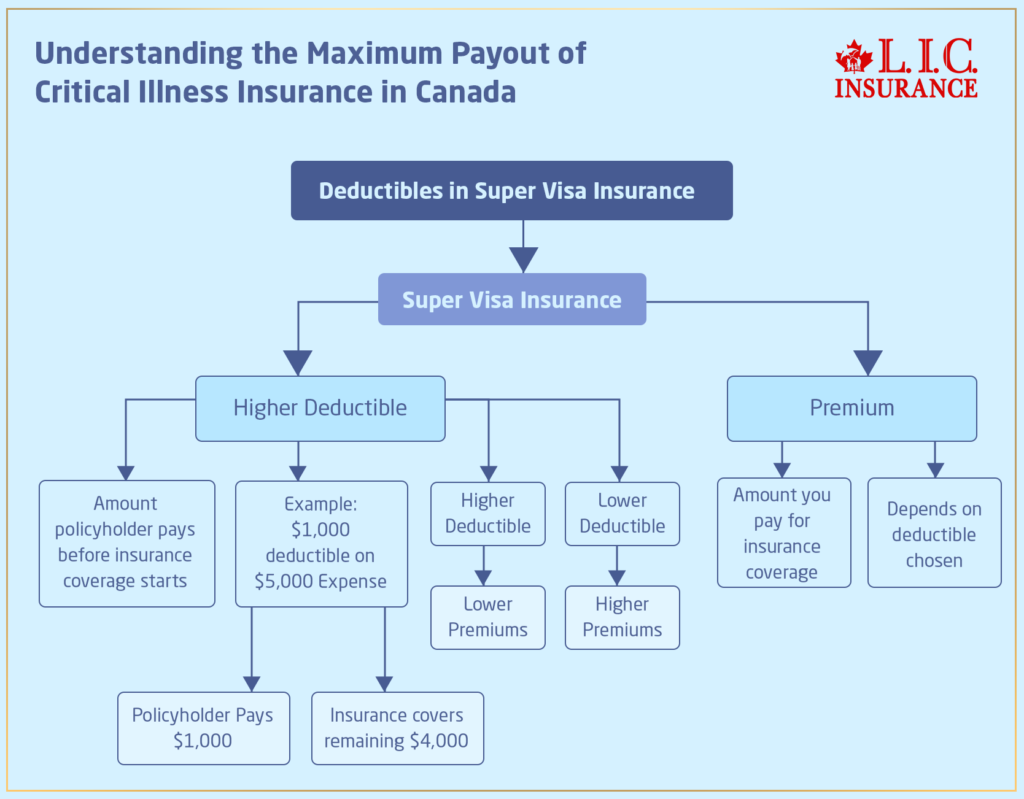
Selecting the right coverage types is only part of the insurance equation; the financial components of premiums and deductibles also greatly influence policy decisions. Premiums represent the cost of maintaining an insurance policy, usually remitted yearly or every month. A larger premium usually corresponds to more comprehensive security or lower deductibles. Conversely, deductibles are the figures clients are required to pay themselves before their insurance coverage kicks in. Choosing a higher deductible often decreases premium expenses, but it might cause increased monetary obligation during claims. Recognizing the trade-off between these two components is essential for individuals seeking to safeguard their possessions while handling their finances efficiently. Crucially, the interaction of premiums and deductibles determines the true worth of an insurance policy.
Policy Restrictions
Which factors that can hinder the efficacy of an insurance policy? Exclusions and limitations within a policy define the circumstances under which coverage is denied. Typical exclusions include pre-existing conditions, acts of war, and certain types of natural disasters. Limitations may also apply to defined benefit levels, making it essential for policyholders to recognize these restrictions thoroughly. These elements can greatly influence payouts, as they specify what financial setbacks will be excluded from payment. Insured parties need to review their insurance contracts diligently to identify these exclusions and limitations, ensuring they are adequately informed about the limits of their policy. Thorough knowledge of these terms is vital for safeguarding assets and future financial planning.
The Claims Process: Understanding the Steps When Filing
Making a claim can often be confusing, especially for those unfamiliar with the process. The starting point typically is to alert the insurance company of the incident. This can often be accomplished through a telephone call or web interface. After the claim is filed, an adjuster may be appointed to evaluate the situation. This adjuster will review the details, gather necessary documentation, and may even inspect the location of the event.
Once the review is complete, the insurer will determine the validity of the claim and the payout amount, based on the contract stipulations. Policyholders must usually supply supporting evidence, such as photographs or receipts, to aid in this assessment. Communication is essential throughout this process; claimants may need to follow up with the insurer for updates. A clear grasp of the claims process helps policyholders navigate their responsibilities and rights, making sure they get the payment they deserve in a reasonable timeframe.
Guidelines for Finding the Right Insurance Provider
How do you go about finding the ideal insurance provider for their requirements? To begin, they need to determine their particular needs, taking into account elements such as policy varieties and budget constraints. It is crucial to perform comprehensive research; online reviews, evaluations, and client feedback can provide insights into customer satisfaction and service quality. Additionally, soliciting pricing from various companies allows one to compare premiums and the fine print.
One should also assess the financial stability and standing of potential insurers, as this can impact their ability to fulfill claims. Engaging in conversations with agents can clarify policy terms and conditions, ensuring transparency. Moreover, looking for potential savings or combined offerings can increase the worth of the policy. In conclusion, getting suggestions from people you trust may lead to discovering dependable choices. By taking these measures, consumers can select knowledgeably that match their insurance needs and financial goals.
Remaining Current: Keeping Your Coverage Up to Date
After picking the best coverage company, individuals must remain proactive about their coverage to make certain it addresses their changing requirements. Regularly reviewing policy details is essential, as life changes—such as getting married, buying a house, or professional transitions—can impact coverage requirements. Policyholders must plan annual reviews with their insurance agents to talk about necessary changes based on these life events.
Additionally, keeping current on industry trends and shifts in policy rules can give helpful perspectives. This knowledge may reveal new insurance possibilities or discounts that could make their policies better.
Monitoring the market for competitive rates may also result in cheaper options without reducing coverage.
Frequently Asked Questions
In What Ways Do Insurance Costs Change With Age and Location?
Insurance premiums generally go up based on age due to higher risk factors associated with aging people. In addition, location impacts rates, as cities usually have steeper rates due to a greater likelihood of accidents and crime compared to country areas.
Can I Change my insurance company during the policy term?
Absolutely, people are able to switch their insurer during the policy term, but they must review the terms of their existing coverage and guarantee they have new coverage in place to prevent periods without insurance or possible fines.
What occurs if I fail to make a insurance installment?
Should a person fail to make a premium payment, their insurance coverage may lapse, which can cause a gap in security. Reinstatement might be possible, but could require back payments and might incur fees or higher rates.
Do pre-existing medical issues qualify for coverage in medical policies?
Pre-existing conditions may be covered in health insurance, but the extent of protection differs per policy. Numerous providers enforce a waiting time or specific exclusions, though some grant coverage right away, highlighting the need to check policy specifics carefully.
How Do Deductibles Affect the cost of my coverage?
The deductible influences coverage expenses by determining the amount a holder of the policy is required to spend before coverage kicks in. If deductibles are higher, monthly premiums are usually lower, while lower deductibles lead to higher premiums and potentially less out-of-pocket expense.